
MyVillages: Nieuwe verbeeldingen van klimaatrechtvaardigheid op het platteland
MyVillages is a collective of cultural practitioners concerned with rurality as a present-day and dynamic relation to land formed through its many historical dimensions, practices, values, and ways of knowing. Founded in 2003 by artists Kathrin Böhm (b. 1969, Bamberg, Germany), Wapke Feenstra (b. 1959, Hennaarderadeel), and Antje Schiffers (b. 1967, Heiligendorf, Germany), the collective initiates and organizes multi-disciplinary collaborations with partners in and outside the cultural field, such as activists, food producers, farmers, researchers, and citizen networks, mainly within central and eastern Europe. These process-based collaborations result in moments of knowledge sharing, which take the shape of citizen assemblies, performances, and publications.
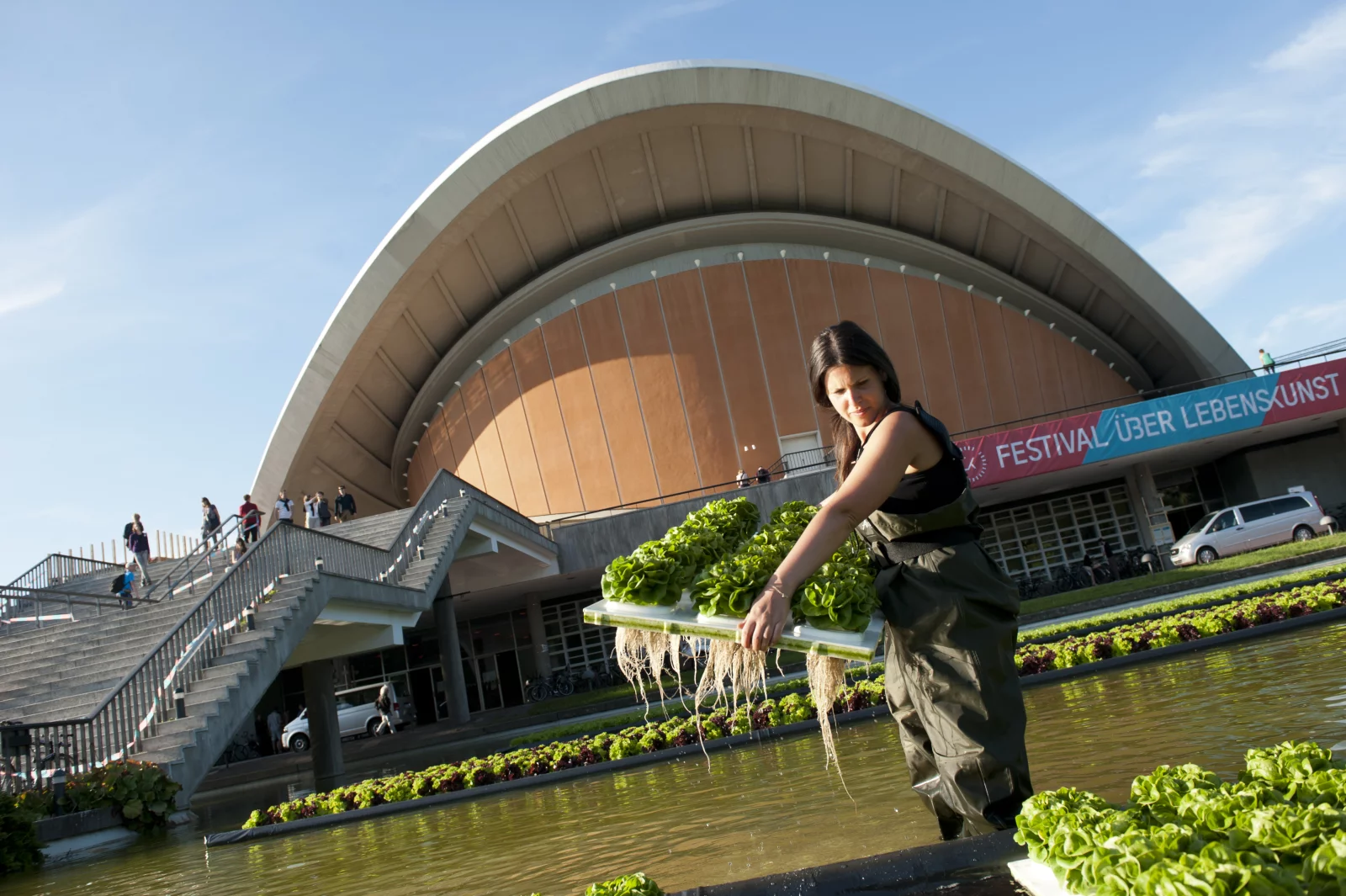
In general, their work highlights ways of living with the land that have eroded over time, or which capitalist power structures obscure from view, focusing on the rural as both a cultural construct and lived daily life. Their concern with rural practices not only challenges the hegemony of the urban but investigates current notions of productivity, extraction, and terrain. Challenging the inherited boundaries between urban and rural environments, their work often turns to overlooked rural stories embedded within (sub)urban spaces. Starting from specific local environments or tapping into (trans)local networks and conversations, their work aims to move beyond mere representation to a realization of the shared desire for different ways of living together in service of the commons.
In 2021, they co-developed Watermelon Republic, a Collaborative Village Play in the southeast of Hungary. Collaborative Village Play embodies a mobile format, traveling between rural communities. In each locality, it is collectively produced by different storytellers: farmers, land workers, fruit and vegetable traders, fishermen, fish auctioneers, net makers, so-called “true locals” and more recent residents, school teachers, students, music and theater groups, politically active citizens, and neighbors who are simply curious. Their stories, concerns, and ambitions shape the narrative of the plays, and contributors often act as protagonists. As such, the plays become “a rush of stories,” interweaving multiple and sometimes contradictory narratives, exposing entangled co-existence and both its local and not-so-local implications (Tsing 2021, 00).
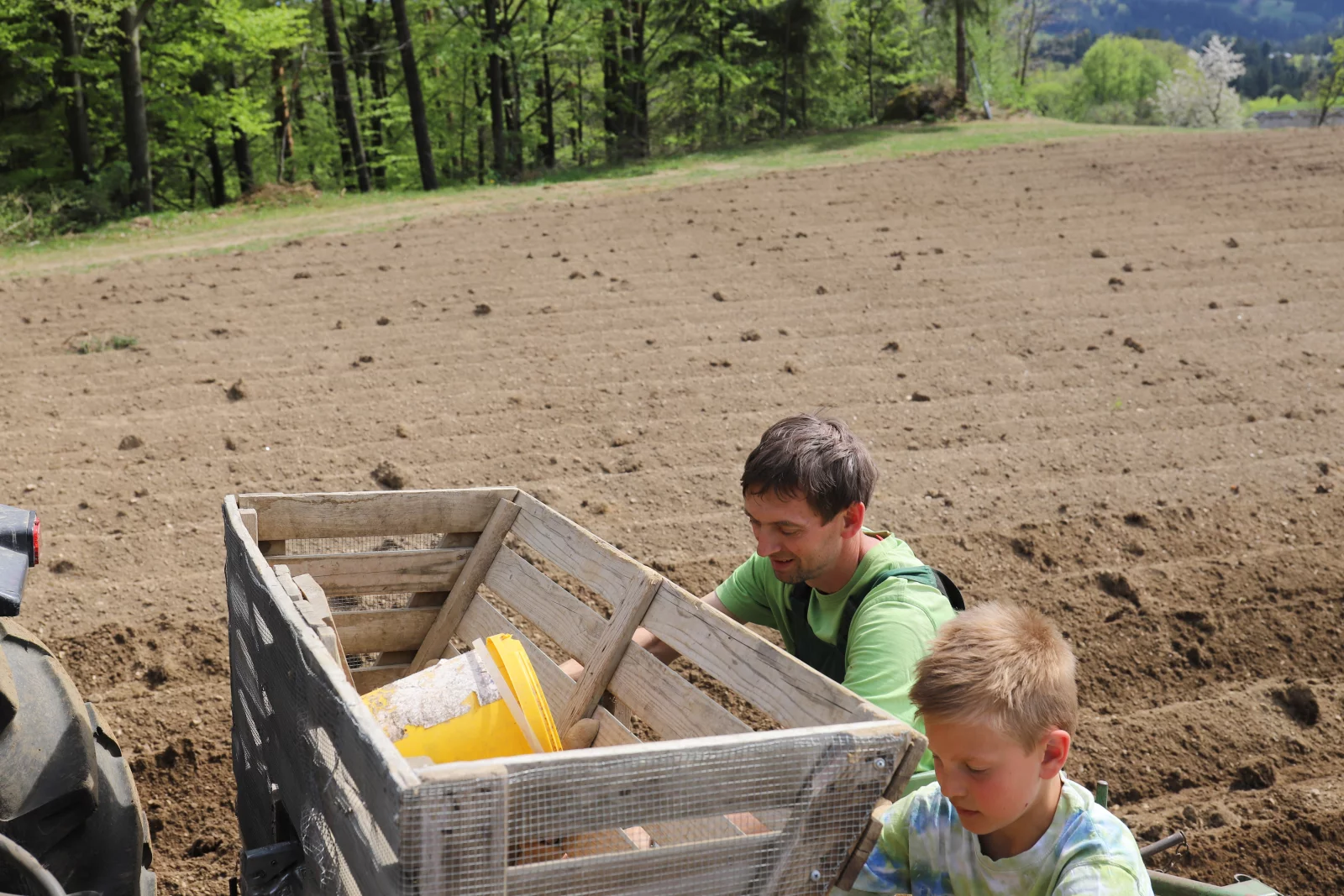
Working through politically charged topics—such as current debates on agricultural industries in the Netherlands, where solutions are often shaped through a technocratic lens while the rural is paradoxically portrayed as a locus of unchanging authenticity—MyVillages advocates for a futurity where the rural is not just historical or immutable but present in a more just relation to land-based practices and values. Climate justice, in their way of working, is a practice of care, accountability, and world-making. Following John A. Powell’s notion of justice as public love, its concern with the rural is a practice of reimagination by the very communities that shape and transform it (Powell 0000).
Krista Jantowski